Ukraine and the EU discuss progress on reforms in industry, taxation, company law and consumer protection
29.10.2026
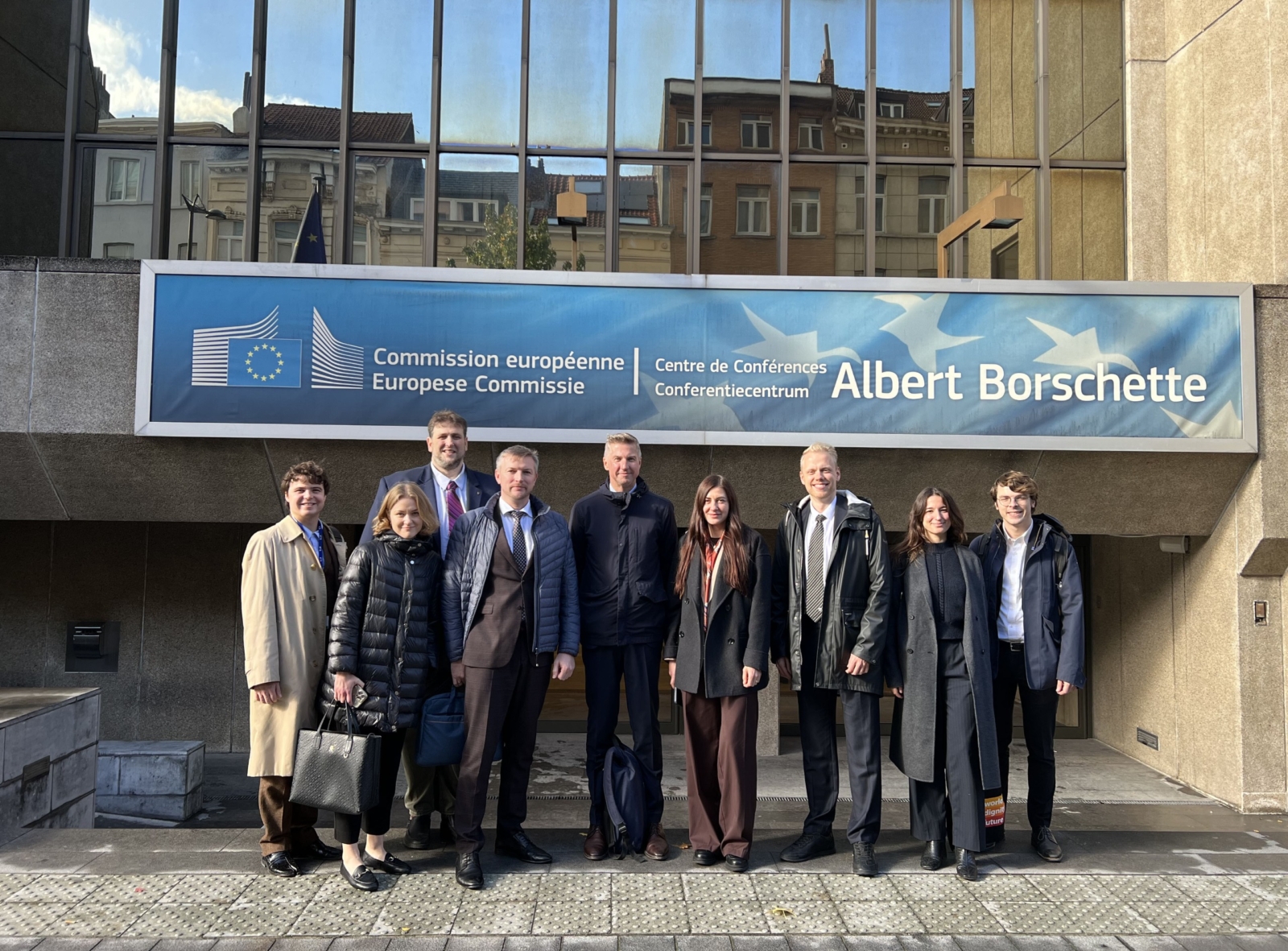
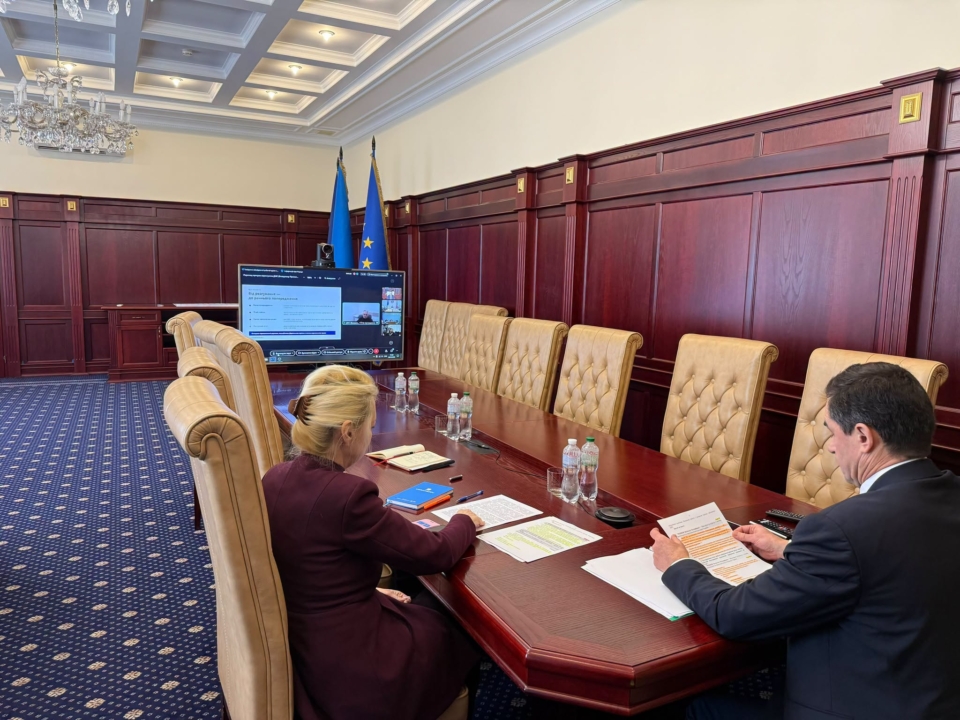
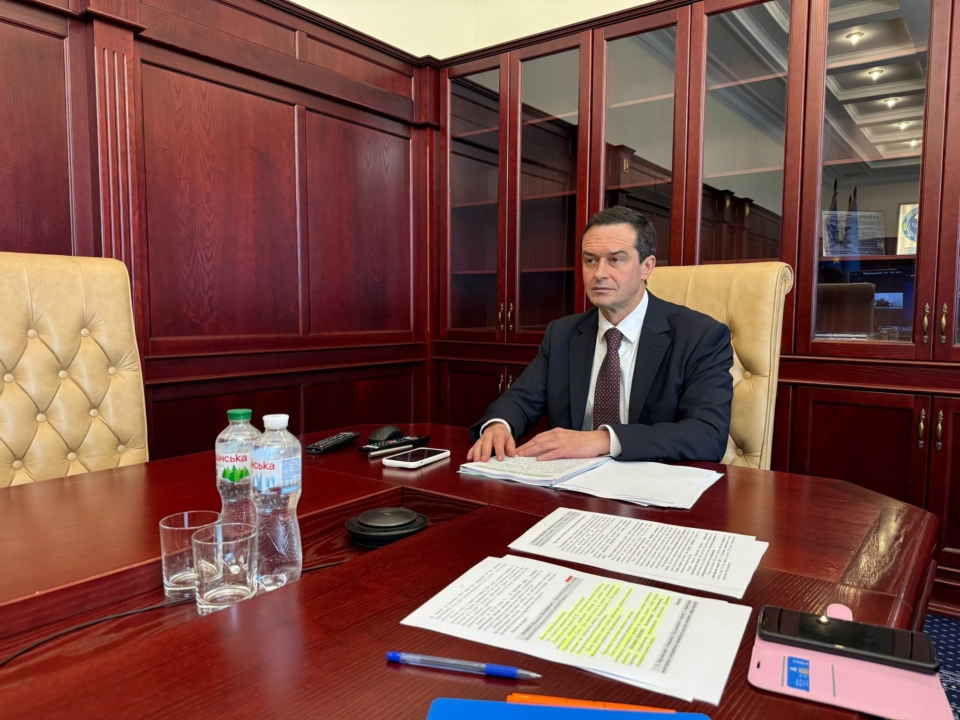
On 22 October 2026, the ninth meeting of Cluster 2 of the Sub-committee on Economic and Other Sector Cooperation under the Ukraine-EU Association Committee took place in a hybrid format.
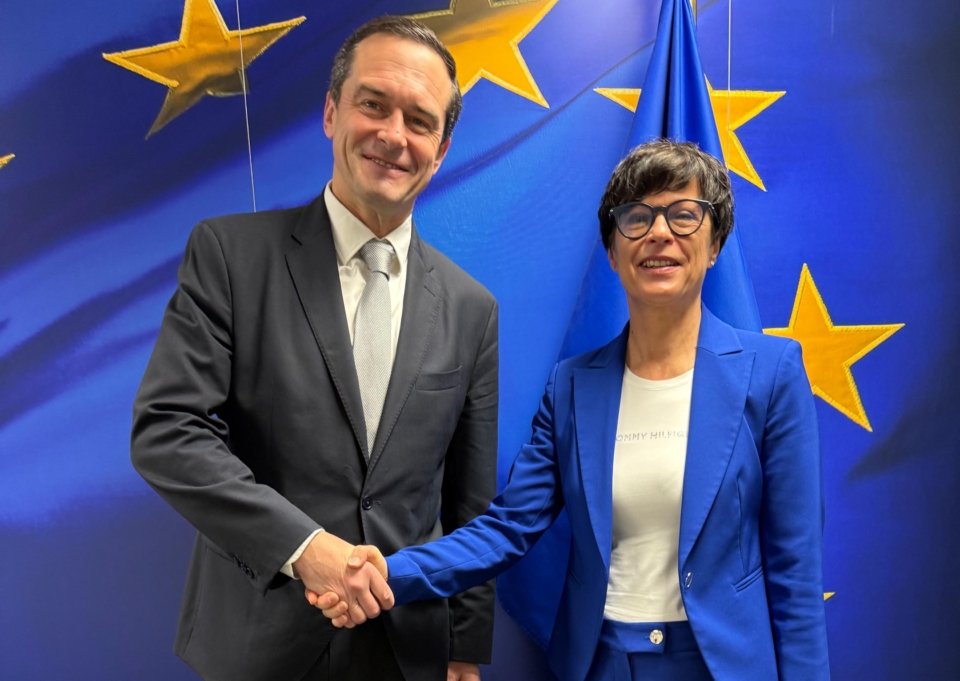
The Ukrainian delegation was led by Deputy Minister of Economy and Environment of Ukraine Daria Marchak. The EU side was co-chaired by Benoît Mesnard, Head of Unit at the European Commission’s Directorate-General for Enlargement and the Eastern Neighbourhood (DG ENEST).
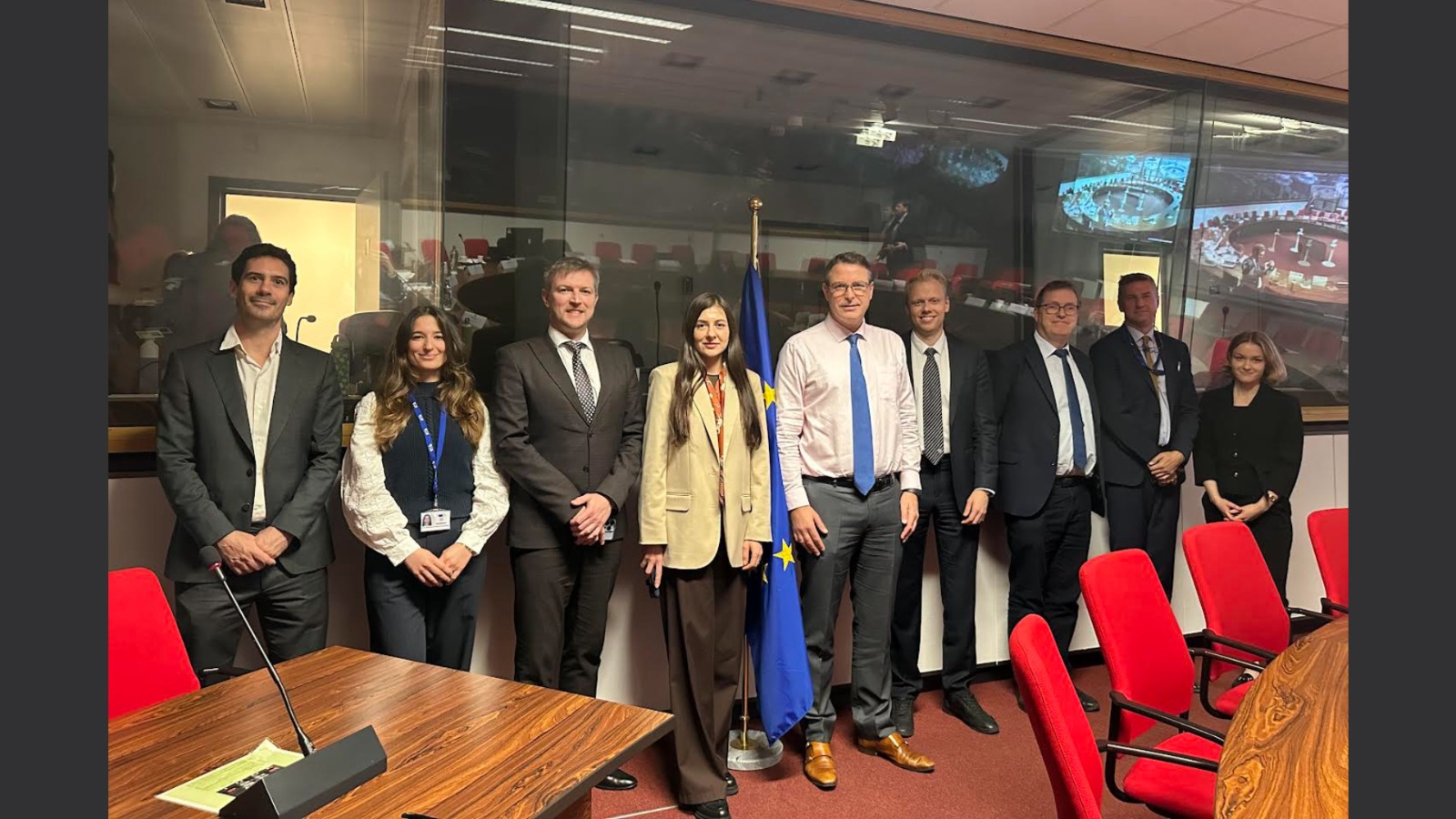
Participants discussed Ukraine’s progress in implementing its commitments under the Association Agreement and the approximation of Ukrainian legislation to EU law. They also discussed further cooperation priorities in industrial policy, defence procurement, taxation, company law, consumer protection, tourism, space and critical raw materials.
Opening the meeting, Benoît Mesnard highlighted the importance of the opening, on 13 October, of negotiations on Cluster 2 “Internal Market” and Cluster 3 “Competitiveness and Inclusive Growth”, which gave additional impetus to Ukraine’s accession process.
“Every area today matters for the accession negotiation. Our discussion is not only about progress made under the DCFTA, but we see it holistically as a joint agenda to make progress towards Ukraine’s accession to the EU,” said Benoît Mesnard.
He also stressed the importance of continued cooperation on defence procurement, in particular ensuring that resources are used efficiently and transparently. According to Benoît Mesnard, since the start of the full-scale invasion the EU and its Member States have provided Ukraine with more than EUR 230 billion in support, including EUR 90 billion foreseen under the Ukraine Support Loan for 2026–2027.
Daria Marchak noted that Ukraine’s priority remains the further approximation of its legislation to EU law and its effective implementation.
“Our common task is not only to adopt legislation, but also to ensure that it is implemented efficiently and delivers tangible benefits for business and citizens in Ukraine,” the Deputy Minister stressed.
She also emphasised that the opening of negotiations on two more clusters has created additional opportunities to accelerate reforms and deepen Ukraine’s economic integration with the European Union.
During the meeting, the parties discussed the following issues:
Industrial and enterprise policy: progress in meeting commitments under negotiating Chapter 20, industrial development, support for small and medium-sized enterprises.
Defence procurement: latest developments in the sector and the importance of the efficient and transparent use of resources, including in the context of EU support to Ukraine.
Tourism, space and critical raw materials: development of sectoral cooperation, implementation of the strategic partnership on raw materials, and Ukraine’s integration into European value chains.
Taxation: approximation of legislation to EU requirements, automatic exchange of tax information, and preparations for the integration of Ukrainian and EU information systems.
Company law, reporting and auditing: further approximation of legislation to EU law, development of corporate governance and financial reporting, and digitalisation of registration procedures.
Consumer protection: improving state market surveillance and introducing out-of-court consumer dispute resolution mechanisms.
Separately, the Ukrainian side presented the results of its reforms. In particular, 35 of the 86 measures in the operational plan of the SME Development Strategy have already been completed, and a further 47 are under way.
Work also continues on approximating tax and company legislation to EU requirements and on creating conditions for the further integration of Ukrainian business into the EU internal market.