EU-Ukraine: 11th Human Rights Dialogue
11.06.2026
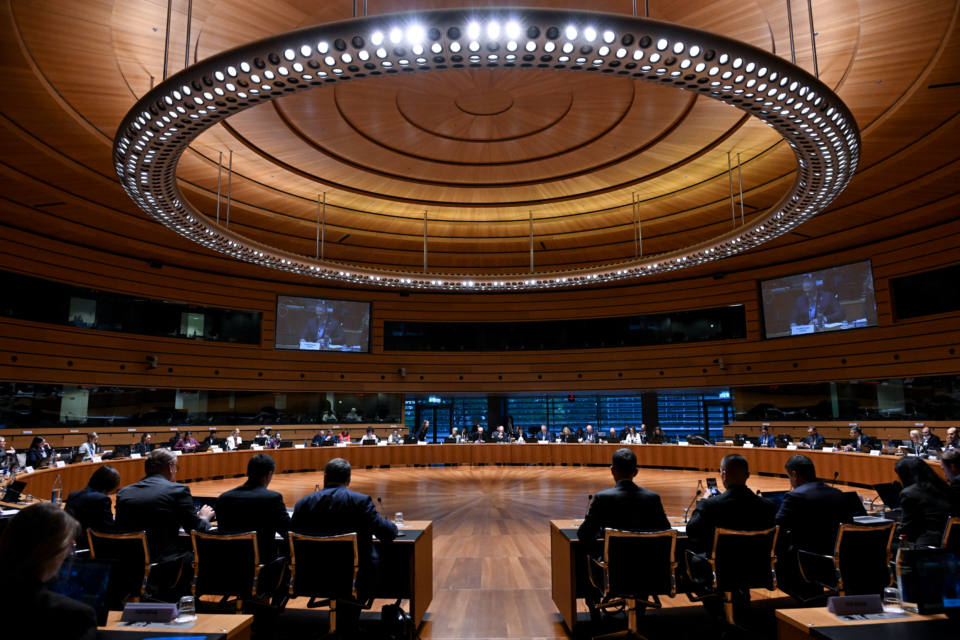
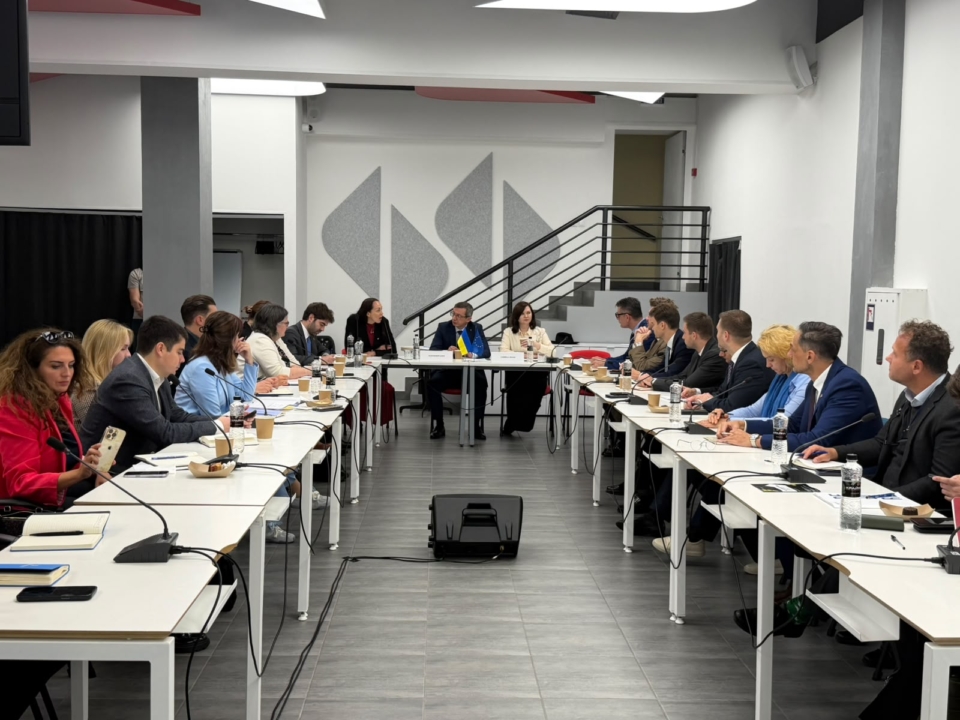
On 10 June 2026, the European Union and Ukraine held their 11th Human Rights Dialogue in an open and cooperative atmosphere. The parties reaffirmed their commitment to ensuring the highest level of respect, protection and fulfilment of human rights.
The parties strongly condemned Russia’s ongoing war of aggression against Ukraine and its blatant violations of international humanitarian law and international human rights law, including arbitrary deprivation of life and detention, enforced disappearances, systematic torture and ill-treatment of civilians and prisoners of war, conflict-related sexual violence, illegal deportation and forcible transfers of civilians, including children.
Participants deplored the intensification of systemic suppression of Ukrainian identity, as well as various forms of repression, forced conscription, religious persecution, indoctrination of children and youth and militarisation and russification of the Ukrainian population living in the temporary occupied territories. Participants condemned also Russia’s intentions to organise a so-called “World children’s Conference” titled “Children for Peace” from 21st June to 12th July 2026 in one of the temporary occupied territories of Ukraine, the Autonomous Republic of Crimea, which is a vile attempt to whitewash the systemic violations of both international humanitarian and human rights law with regard to children.
The parties strongly condemned Russia’s escalating and systemic attacks on civilians, including children, and critical civilian infrastructure, including during the coldest winter months. The parties also discussed the severe impact of Russia’s war of aggression against Ukraine on a range of human rights, including the rights to health, work, education, water, energy, sanitation, and adequate housing. Ukraine presented its efforts to mitigate such impact, with a special focus on the persons in vulnerable situations, including internally displaced persons, children, the elderly and persons with disabilities, national minorities and Indigenous Peoples of Ukraine.
The EU and Ukraine reiterated their commitment to ensuring full accountability for the international crimes and other violations of international law committed in the context of Russia’s war of aggression against Ukraine. The parties discussed recent progress on the international accountability mechanisms, including the Special Tribunal for the Crime of Aggression and the International Claims Commission. They noted the recent inclusion of the armed forces and security forces of the Russian Federation and associated groups in the UN Secretary-General’s annual report on Conflict-Related Sexual Violence, in the list of parties reasonably suspected of committing systematic acts of sexual violence in conflict situations and stressed the need to maintain the momentum and broadening international support. They also discussed Ukraine’s implementation of the Rome Statute of the International Criminal Court (ICC), cooperation with Eurojust, the work of the Register of Damage Caused by the Aggression of the Russian Federation Against Ukraine, as well as national accountability efforts.
The parties also discussed Ukraine’s efforts in developing holistic strategies and policies related to de-occupied territories and transitional justice. They underscored the importance of long-term, survivor-centred support for survivors of conflict-related sexual violence, torture and other crimes, while promoting their participation in the development of relevant policies.
The meeting also provided an opportunity to exchange views and highlight Ukraine’s progress on Women, Peace and Security, gender mainstreaming and efforts to combat gender-based violence in the context of Russia’s war of aggression. Ukraine’s adoption of the National Action Plan on Women, Peace and Security was welcomed, and its effective implementation encouraged.
Furthermore, the parties discussed Ukraine’s efforts to align its electoral framework with the EU and international standards, including OSCE/ODIHR recommendations, and to advance EU accession-related electoral reforms under the Roadmap for the Functioning of Democratic Institutions. They also reviewed the work of the Working Group that was established in December 2025 to develop legislative proposals for post-war elections.
Both sides confirmed their determination to continue close cooperation on human rights issues in international multilateral fora, including the UN Human Rights Council.
During the meeting, the EU reaffirmed its unwavering commitment to continue supporting Ukraine across all human rights dimensions, advancing its alignment with EU and international standards, and mitigating the severe negative impacts of Russia’s ongoing war of aggression.
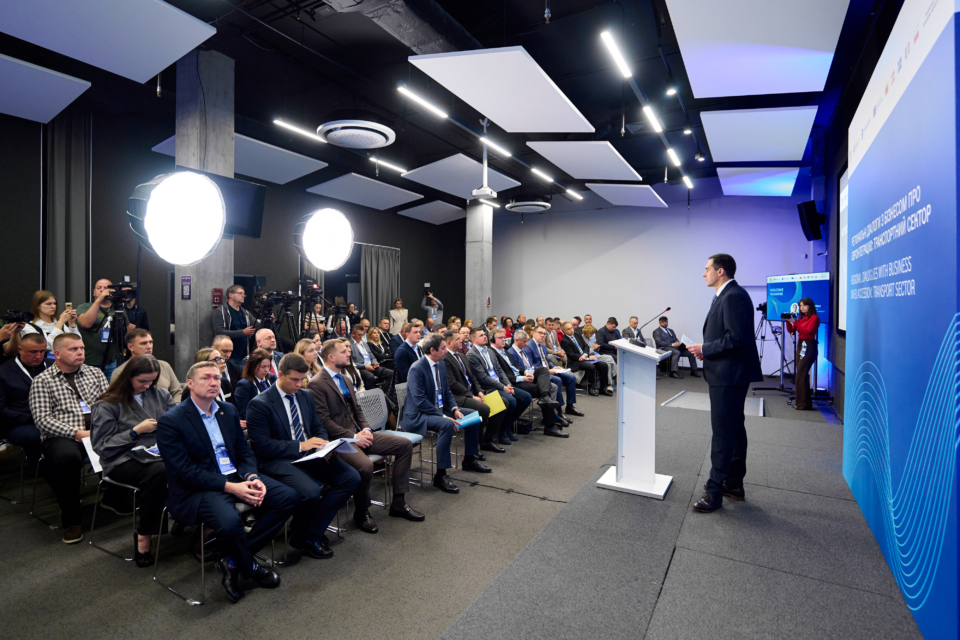
The meeting was co-chaired by Baiba Tavaresa, Acting Deputy Managing Director/ Head of Division for Ukraine at the European External Action Service, and Liudmyla Suhak, Acting Minister of Justice of Ukraine/ Deputy Minister of Justice for European Integration of Ukraine. Representatives of the relevant Ukrainian institutions, the EEAS and the European Commission services participated in the meeting.
The next EU–Ukraine Human Rights Dialogue is expected to take place in 2027.