‘Regional Dialogues’ in Myrhorod: Over 200 Farmers from Four Regions Discuss Practical Steps Toward EU Standards Adaptation
Наш шлях до ЄС
03.04.2026
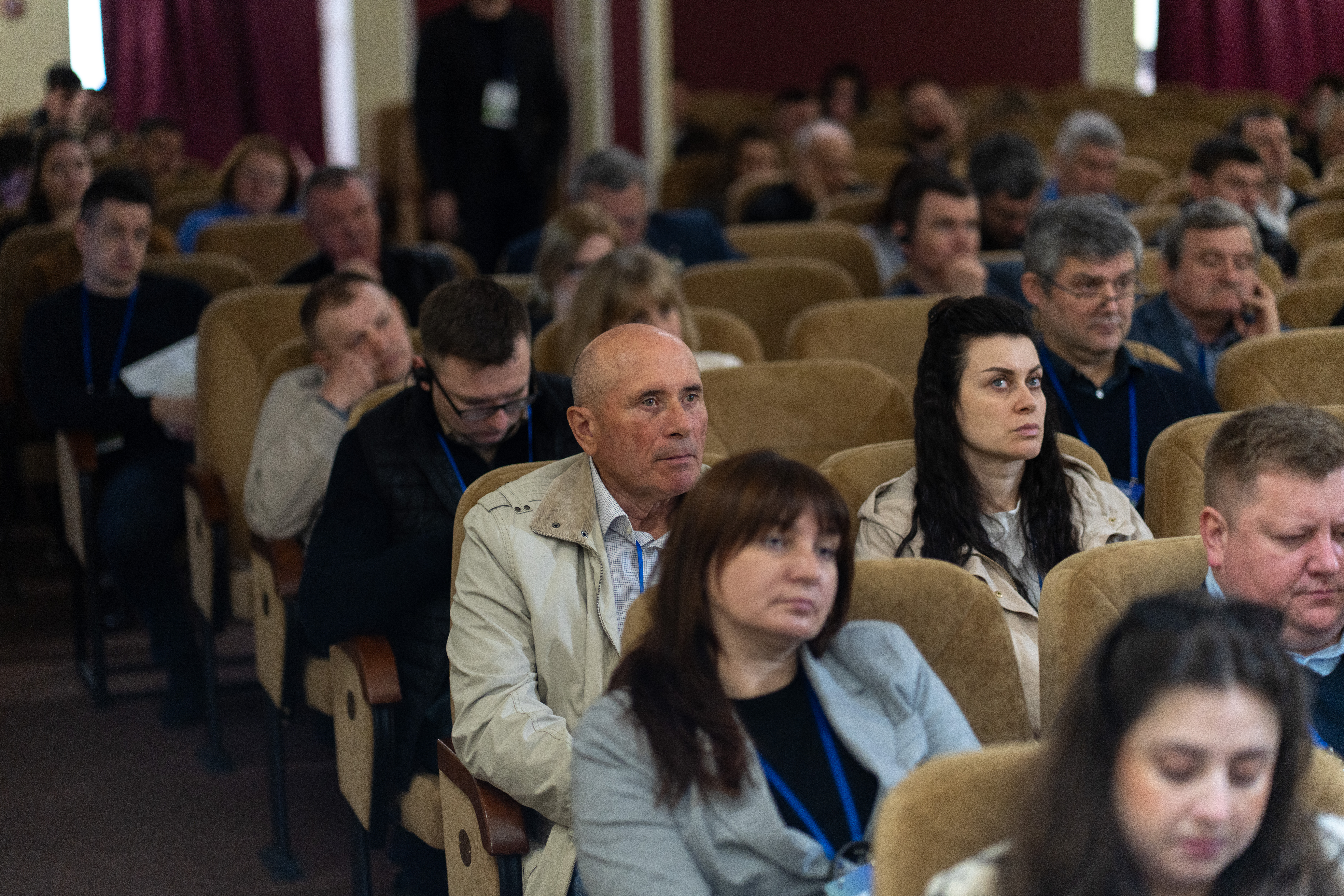
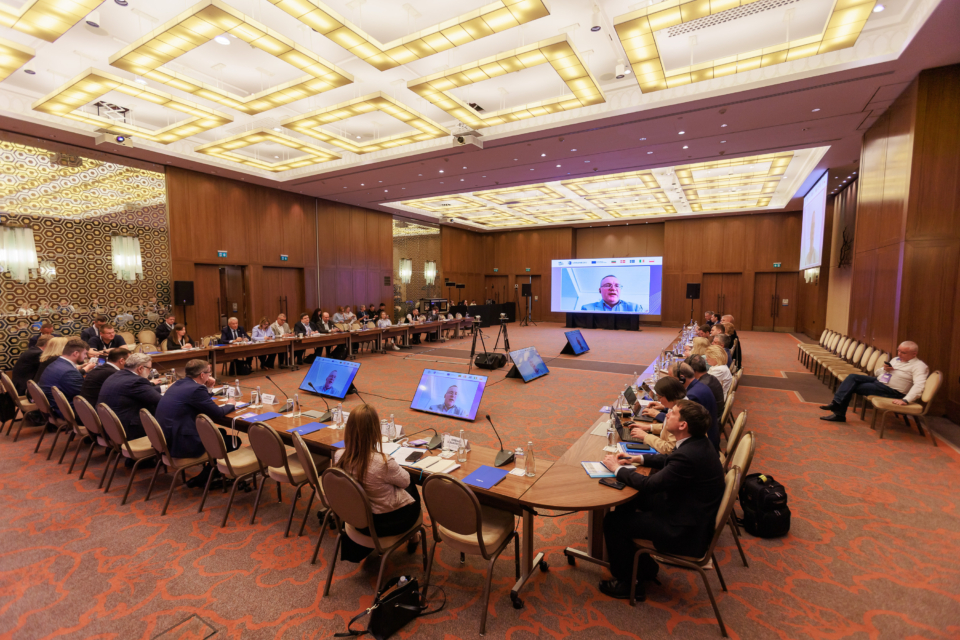
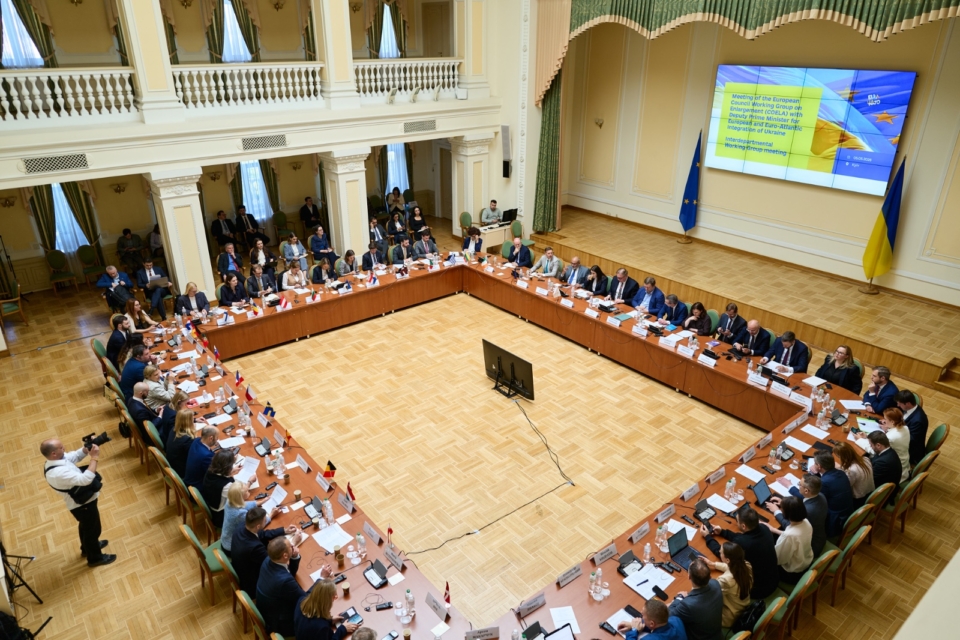
On April 3, 2026, the city of Myrhorod hosted the second event in a series of regional dialogues between the Government and the business community. The discussions focused on the practical aspects of adapting to EU standards in the agricultural sector. The event brought together over 200 agricultural producers from the Poltava, Sumy, Chernihiv, and Cherkasy regions.
The event was joined by Deputy Prime Minister for European and Euro-Atlantic Integration of Ukraine Taras Kachka (online), Deputy Minister of Economy, Environment and Agriculture of Ukraine Taras Vysotskyi (online), as well as representatives of regional authorities, experts, and European partners.
In his speech, Taras Kachka, Deputy Prime Minister for European and Euro-Atlantic Integration of Ukraine, noted:
“European integration of the agricultural sector is a complex but entirely realistic process. We already see that most EU requirements are achievable, and the Ukrainian agricultural sector is capable of adapting to them. At the same time, it is important to understand that a certain degree of resistance from European farmers is natural — similar processes took place during previous rounds of EU enlargement. At the same time, the majority of countries and producers in Europe also understand that Ukraine is an important part of the common agricultural market. Therefore, our key task is both to adapt to the requirements and, together with businesses, to shape a vision for the development of agricultural policy that meets European standards while also addressing the real needs of Ukrainian producers”.
In turn, Taras Vysotskyi, Deputy Minister of Economy, Environment and Agriculture of Ukraine, emphasized the progressive nature of agricultural policy integration and the need to complete alignment with EU standards within the defined timeframe:
“Ukraine has already implemented nearly 74% of the Association Agreement provisions in agriculture and rural development and 83% in food safety, veterinary and phytosanitary policy. Integration into the EU is strategic for Ukraine’s agricultural sector, as the European Union is our key trading partner. In 2025, it accounted for nearly half of agricultural exports — 47.5%, or USD 10.7 billion.
For Ukraine’s agro-industrial sector, this means not only securing its position in its main export market, but also increasing competitiveness, gaining access to European farmer support programmes, and transitioning to a more stable and predictable development model.”
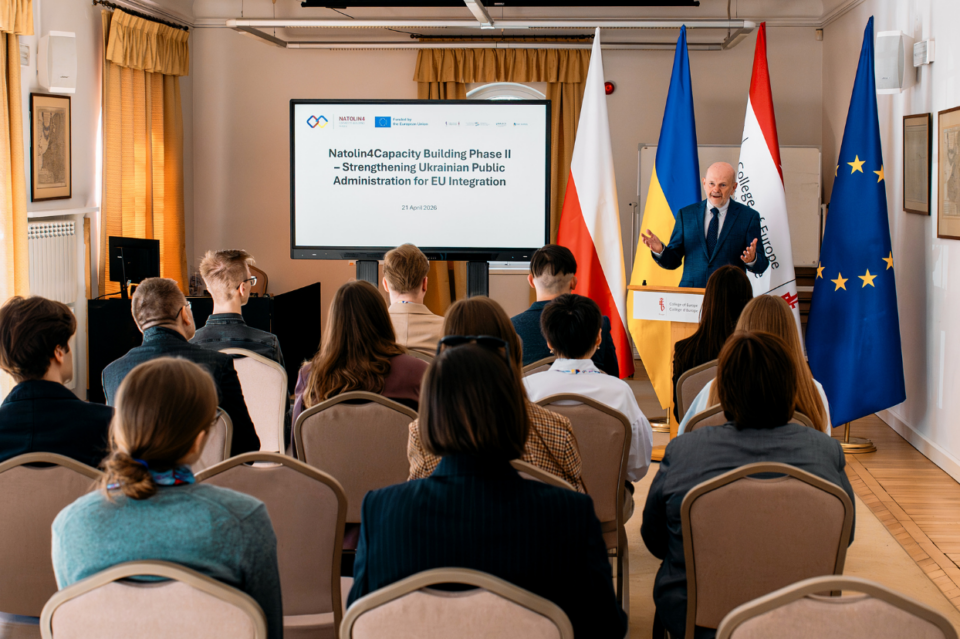
Jerzy Plewa, Ukraine2EU and Polish High‑Level Advisory Group Expert, former Director-General of the European Commission’s Directorate-General for Agriculture and Rural Development, highlighted that:
“The agricultural sectors of the EU and Ukraine can complement each other in many areas, creating new shared value chains and strengthening the EU as a global agricultural powerhouse and global food security. A good example is the high‑protein feed sector, in which the EU is a major importer, while Ukraine has significant production and export potential that would allow the EU to gradually reduce its dependence on overseas imports. Ukraine’s accession to the EU would increase the Union’s agricultural land by approximately 25% and its arable land by as much as 31%. A well‑prepared and effectively implemented integration of Ukraine into the EU is a strategic investment that should bring benefits to both Ukraine and the European Union. However, this will only succeed if the process is gradual, predictable, and well managed.”
Yevhen Konchakovskyi, Deputy Head of the Poltava Regional Military Administration, noted that the region is actively working on aligning food production with EU requirements:
“Poltava region currently holds leading positions in implementing the raw milk control programme based on the ‘Milk Module’ software. The system has been introduced in four regional laboratories, and nearly all agricultural enterprises producing raw milk have joined it. In addition, a pilot project is underway to implement the European Farm Accountancy Data Network (FADN/FSDN).”
The programme was structured around three key areas: Crop Production, Livestock, and Food and Processing Industry.
Crop Production. The discussion focused on phytosanitary requirements harmonization, a critical element for access to the EU Single Market. Experts concentrated on the practical preparation of producers for the application of new environmental standards under the European Green Deal, discussing the impact of these changes on production processes, competitiveness improvements, and the investment needed for modernisation.
Livestock. Participants discussed the importance of implementing the law on veterinary medicine and animal welfare, as well as building institutional capacity to apply European control and trust frameworks. Particular attention was paid to adapting sanitary requirements and financial support instruments for livestock farms.
Food and Processing Industry. The session was dedicated to ensuring high standards of food quality and safety. Discussions centered on implementing European rules, procedures, and control systems required for the functioning of the EU Single Market. Particular attention was given to opportunities for attracting private investment and financial instruments for enterprise modernisation — critical for improving resilience and competitiveness.
The Myrhorod event marked another step in building a systematic dialogue between government and business on Ukraine’s path to the EU. To further support agricultural producers, the dialogue will continue through a series of online webinars that address participants’ questions, provide practical explanations, and address specific challenges related to EU integration.
According to the RDNA5 (Rapid Damage and Needs Assessment), Ukraine’s agricultural sector recovery needs are estimated at over USD 55 billion by 2035. This represents significant opportunities for European companies in machinery, equipment, technology, and fertilizers. The integration of Ukraine’s agricultural sector into the EU is a matter of mutual benefit, not only adaptation.
The event was organized by the Office of the Deputy Prime Minister for European and Euro-Atlantic Integration of Ukraine, together with the Ukraine2EU — EU Integration Support Programme for Ukraine, in cooperation with Poltava Regional Military Administration.